
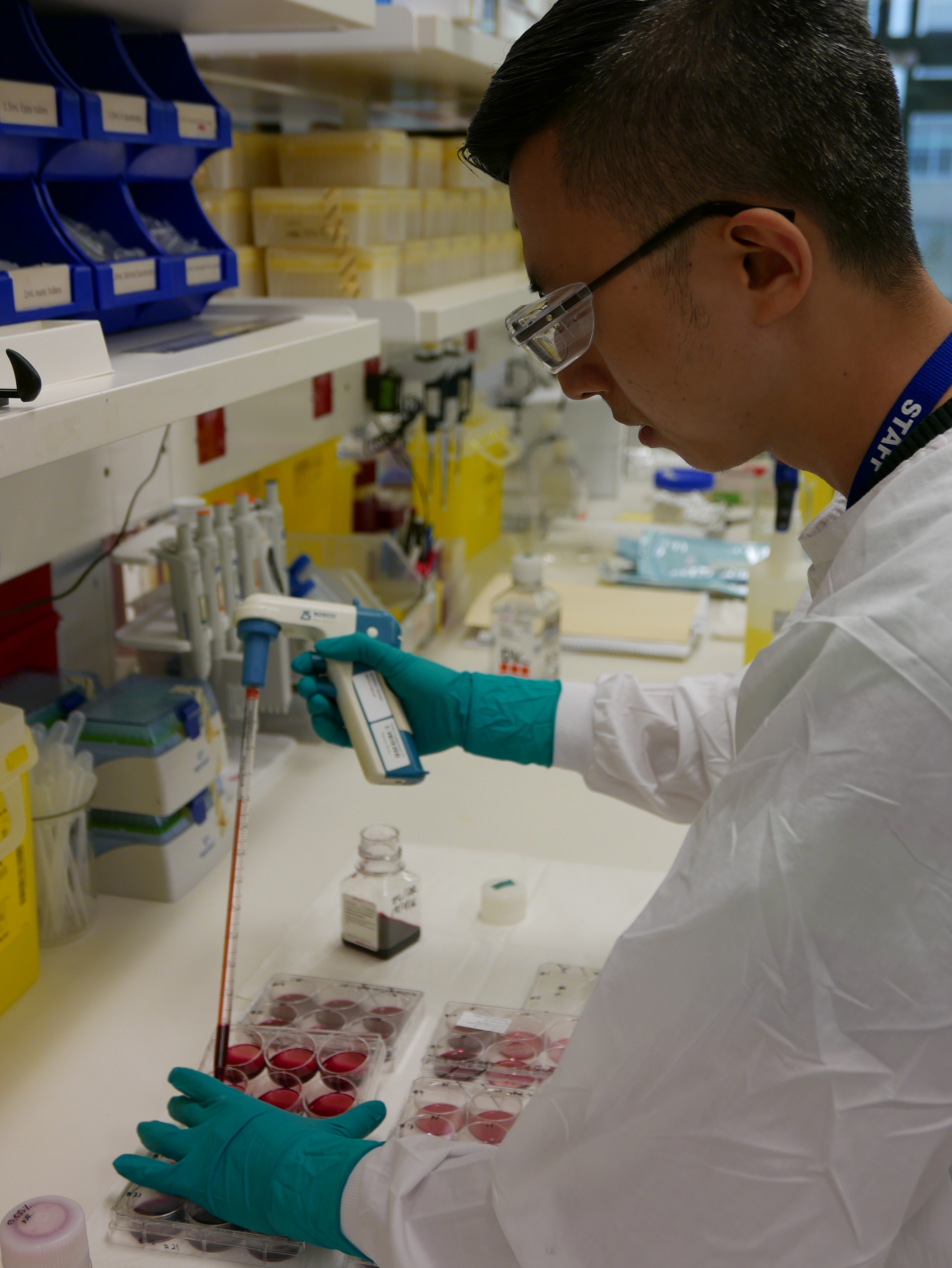
We provide support and training opportunities to laboratories in the Asia-Pacific region that contribute to the Global Influenza Surveillance and Response System (GISRS). In order to meet national needs and to play a role in GISRS, our regional partners require appropriate resources and expertise for laboratory-based detection of influenza virus and submission of samples to a WHO Collaborating Centre. Strong diagnostic and processing capabilities help regional laboratories to fulfil their key role in in global influenza surveillance and improve pandemic preparedness.
Our Centre provides technical support and training to laboratory staff, as well as advice regarding equipment and methods for laboratory-based detection of influenza virus. Our partners include WHO Western Pacific Regional Office (WPRO), WHO South-East Asian Regional Office (SEARO), the Secretariat of the Pacific Community (SPC), Regional Emerging Diseases Intervention (REDI), and the Centers for Disease Control and Prevention (CDC).
Our support and training activities generally take one of three forms:
A specialist staff member from the Centre visits the regional laboratory to help establish and/or provide training in specific techniques for detection of influenza virus.
Held at the Centre in Melbourne or a regional venue. Laboratory scientists and managers from different countries convene for a multi-day workshop focusing on specific technical methods of influenza detection and analysis. Training is provided by specialists from the Centre and generally combines both background presentations and practical hands-on exercises. Workshop attendees have an opportunity to meet and exchange experiences with other influenza scientists from the region.
Held at the Centre in Melbourne. Staff from regional laboratories spend several days with specialists at the Centre to gain detailed understanding of specific techniques to detect influenza virus. The Centre maintains an ongoing role in advising and supporting regional laboratories as they establish and strengthen their technical capabilities.
Please contact us if you would like to know more about training opportunities with the Centre in Melbourne.
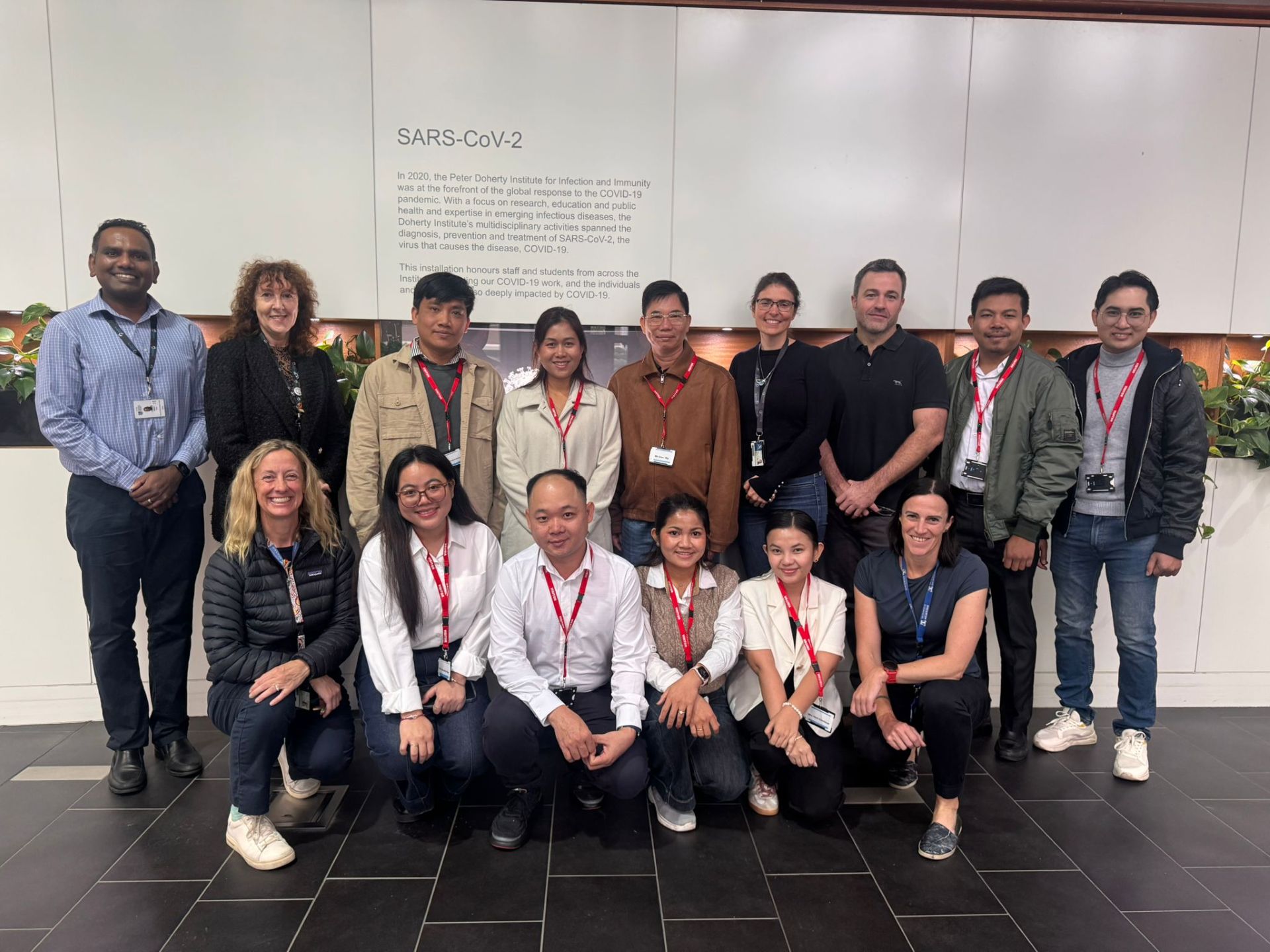
In May 2026 the centre along with VIDRL hosted visitors from the National Institute of Public Health in Cambodia for a workshop on running and managing a PC3 laboratory. Over the week, the scientists had an opportunity to get a tour of the PC3 and PC4 laboratories at the Doherty Institute, as well as the PC3 laboratory at AgriBio. There were also many discussions on biorisk management and risk assessment as well as safe handling of high risk pathogens in PC3. We look forward to continuing to work with our colleagues at NIPH moving forward.
From 25-29 May 2026, we welcomed Deborah Misiuepa Samoata and Eric U.J Tuia from Samoa’s Principal Public Health Laboratory for training on Influenza PCR-ID. This week of hands-on training was delivered by Jacinta Agius, Presa Chanthalavanh and Michelle Wille and focussed on open-PCR, especially in the context of influenza detection, typing and subtyping to ultimately support the implementation of PCR testing in Samoa.
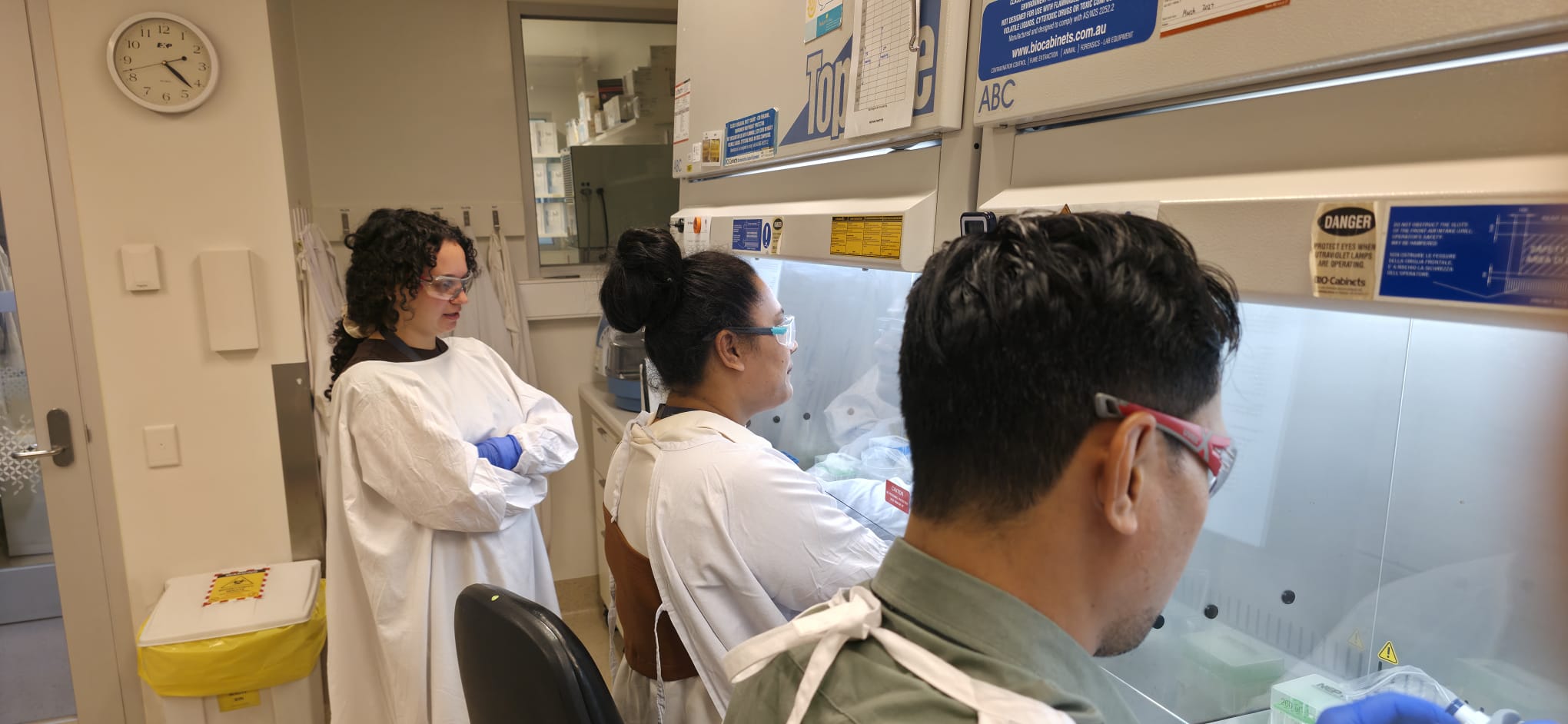
From 15-19 June 2026, Jacinta Agius and Presa Chanthalavanh visited Viola Hospital Tonga to provide Training on Influenza PCR-ID training. They delivered a one‑week, hands‑on training program on open‑PCR for influenza detection, typing, and subtyping. By the end of the placement, all four participants were confident in implementing influenza assays into routine laboratory practice. We’re pleased to support the Tonga Laboratory Service as they continue strengthening national influenza surveillance capacity.
.jpeg)